


Book

Treatment

Our treatment

Skeleton, muscles and daily life, in one course of care.

Approach

Three steps,one course of care.

Skeleton, deep muscles and everyday posture — cared for in one course by nationally licensed practitioners.

  1. 01Align

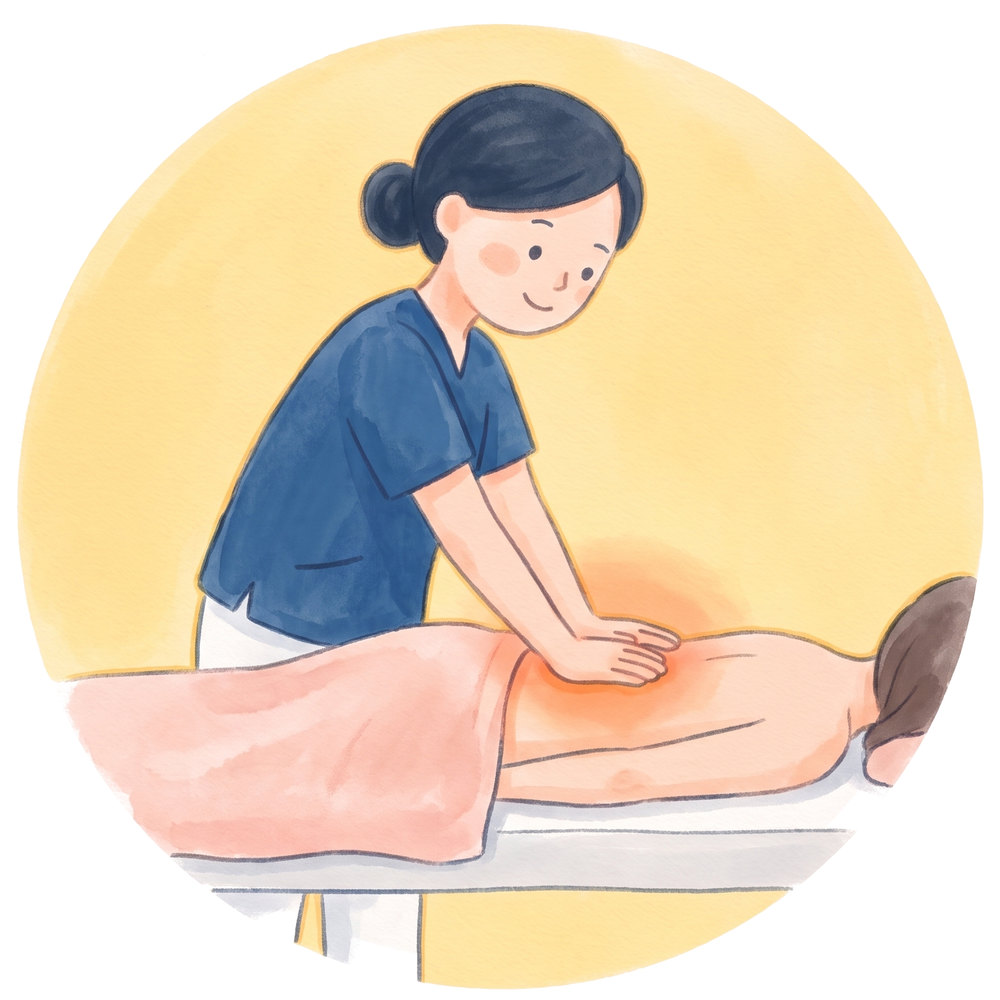
    Align the skeleton

    Daily habits tilt the spine and pelvis. We realign them on a Thompson table.

  2. 02Strengthen

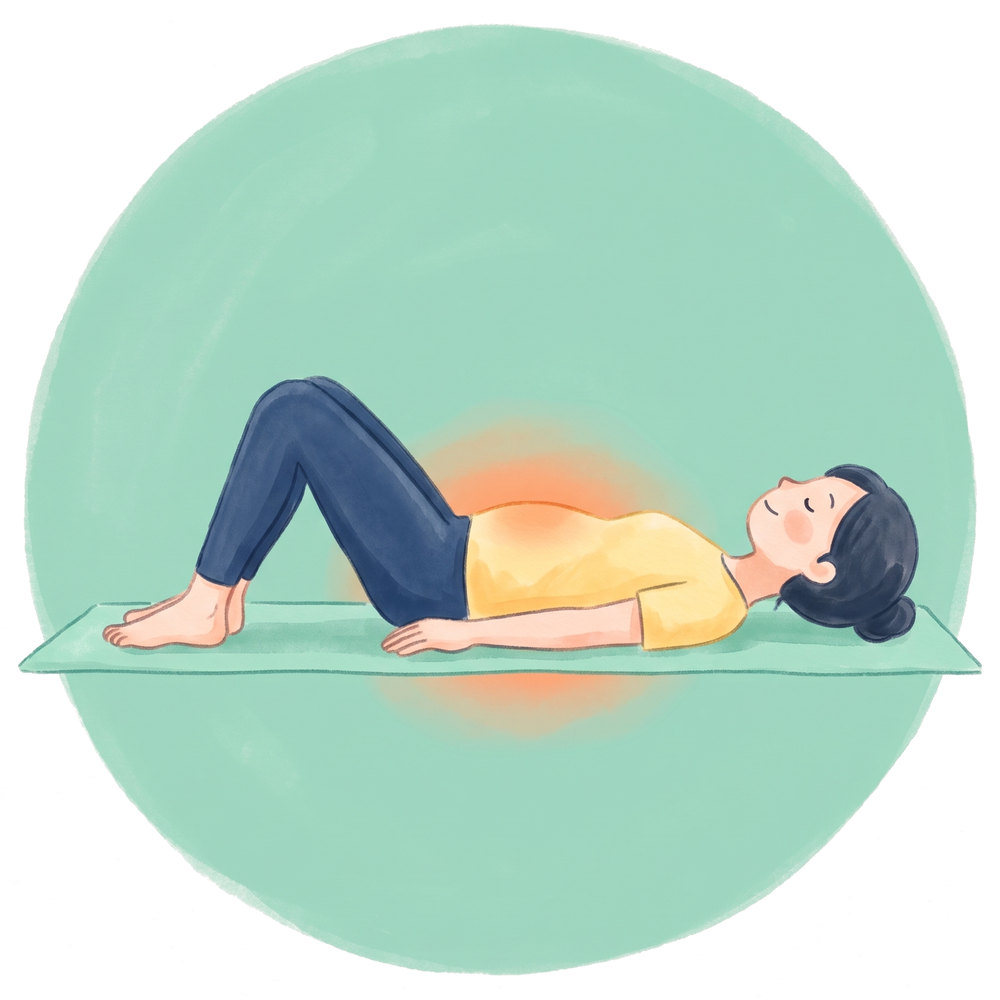
    Strengthen the deep muscles

    Compound high-frequency EMS works the deep muscles while you lie still — about 9,000 contractions in 30 minutes.

  3. 03Continue

    Keep it in daily life

    After each treatment, one habit at a time: how you stand, sit and walk.

Hands-on care

Locomotor

How the body moves:bones, joints and muscles.

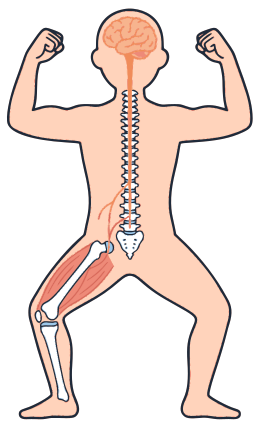
Bones, muscles and joints work together with the spinal cord and nerves to move the body. If any one of them is hurt, the body no longer moves well.

1 BrainSends commands
2 Spinal cordCarries commands
3 Intervertebral discsSupport the spine
4 Peripheral nervesCarry commands
to the muscles
5 MusclesSupport bones,
move joints
6 BonesSupport the body,
keep posture
7 Articular
cartilage
Absorbs shock,
steadies movement

The locomotor system is the way bones, muscles and joints work together with the spinal cord and nerves to move the body. If any one part is impaired, the body can no longer move well, which is why it matters so much.

Program

Skeletal & InnerMuscle Program.

Our own program, combining skeletal alignment with deep-muscle training by compound high-frequency EMS.

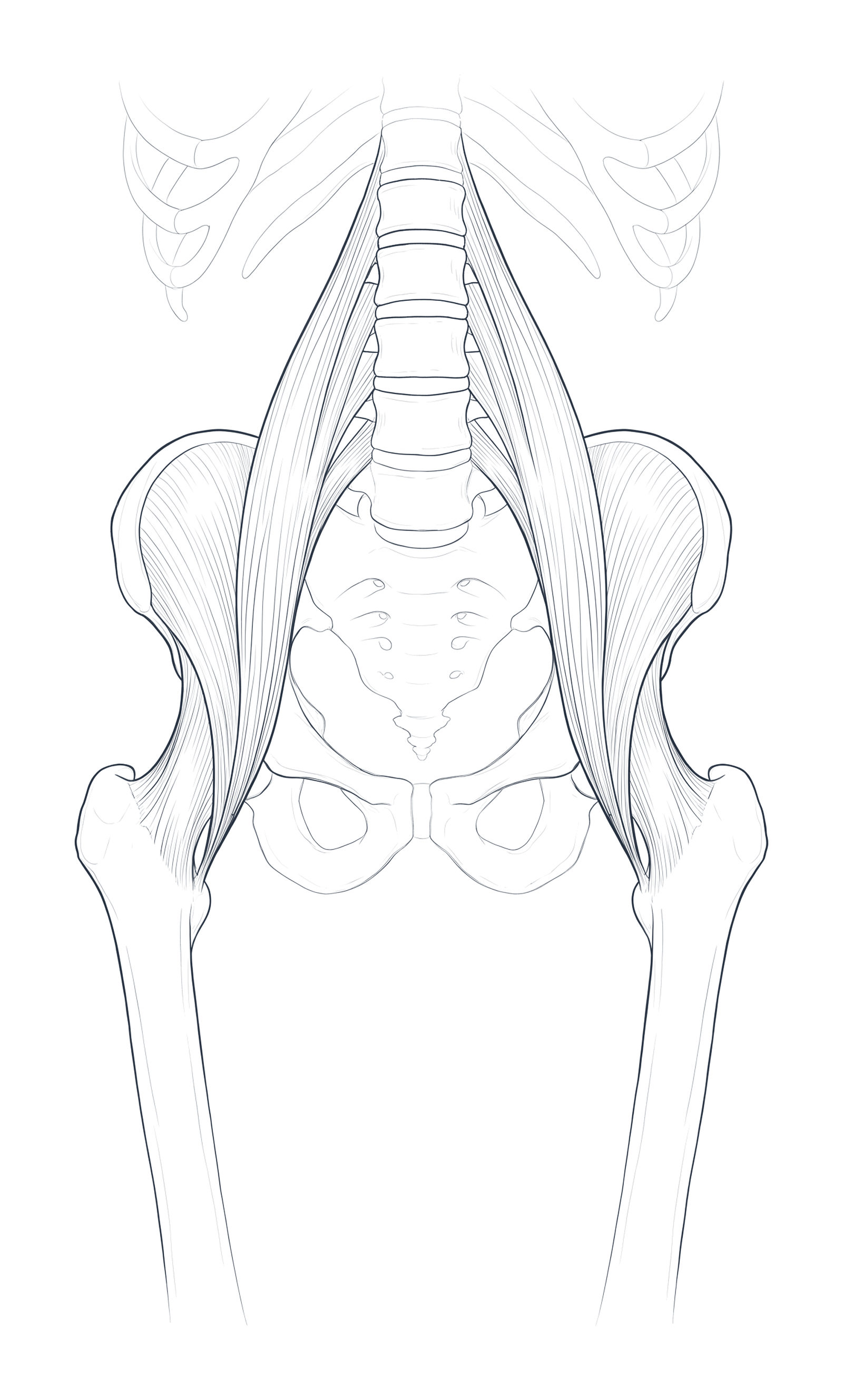
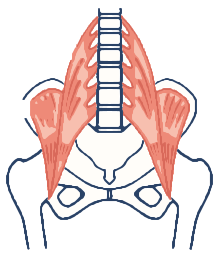
Bones and muscles begin to weaken around 40, and decline quickly after 50. Even so, the iliopsoas, behind a rounded back, an arched lower back and back pain, can be trained at any age.

Compound high-frequency EMS works the deep muscles 9,000 times in one 30-minute session. You train your muscles just by lying down.

Recommended for people like these

  • Worried about not moving enough
  • Want to keep or build strength
  • Want to loosen up
  • Want to get in shape
  • Want to train your core
  • Want to move better in sport
  • Worried about metabolic syndrome
  1. Psoas major
  2. Iliacus
  3. Iliopsoas

Align · Strengthen · Continue

Insoles

Insoles madefor your feet.

Insoles made for the shape of your feet and the way you walk. Each clinic offers a different type.

Custom insoles

Dr.insole 3D

Takanekido, Okubo and Matsumoto Futaba

Custom-made insoles designed by a doctor of health sciences and orthopaedic shoemaker.

  1. 01

    Foot shape

    We measure the length of the foot and the height of the instep, and check the shoes the insoles will go in.

  2. 02

    Foot pressure

    From the pressure on your soles we see how your weight falls left and right, bow legs or knock knees, and how you stand.

  3. 03

    Gait

    You walk, and we watch how the foot moves as it lands and how the body leans.

  4. 04

    Foot impression

    You press your foot into a soft material to take its shape. All this takes about 15 minutes.

  5. 05

    Making the insoles

    We make the insoles from the impression; they are ready in about two to three weeks.

1 pair¥34,650(tax incl.)

For people with

  • Foot pain from bunions
  • High or wide feet, no shoes that fit
  • Feet of different sizes
  • Painful calluses or corns
  • Sore feet from standing at work
  • Bow legs and knee pain
  • Ingrown toenails
  • Hip or lower back pain

Corrective insoles

Formthotics Medical

Katsutadai Sogo Seikotsuin

Corrective insoles used in some 30 countries.

  1. 01

    Bring shoes and socks

    Please bring shoes with removable insoles. If they are fixed, please ask us.

  2. 02

    Shoe check

    We look at your feet and check that your shoes suit them.

  3. 03

    Choosing the model

    We choose a corrective insole for your condition and you try it. Please ask about children’s sizes.

  4. 04

    Heat fitting

    If needed, we trim it and use heat to fit it to your foot and shoe.

  5. 05

    Breaking in

    It can feel strange at first, so you start with short walks and build up.

For people with

  • Knees hurt after 15 minutes of jogging
  • Pain in the soles of the feet
  • Hip or lower back pain
  • Swollen feet
  • Numb toes from bunions

Our partner · feet and shoes

I work with feet and shoes, and hold a doctorate in health sciences and the German state qualification of orthopaedic shoemaker.

SPES GROUP uses Dr.insole 3D, the custom insole system I developed. We met through a maker of supports, and when I visited I saw how seriously they work on foot problems — not only with hands-on treatment but with insoles and shoes as well. My mission is to make feet that can walk in good health, and I see SPES GROUP as partners who share that aim.

Nakayama Kentaro

Symptoms

Conditions we treat

Our licensed practitioners see conditions such as these.

  • Feet and legs

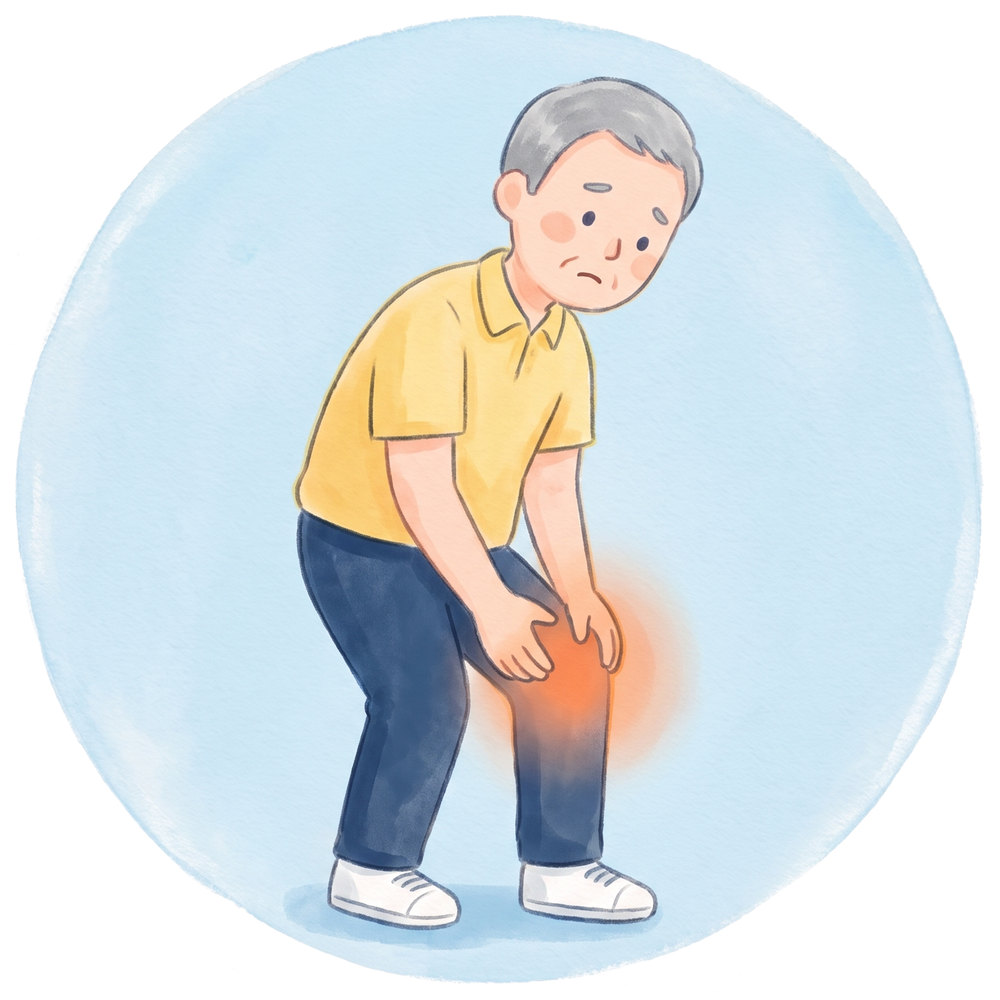
    Bunions, bunionettes, plantar fasciitis, flat feet, high arches, Morton’s neuroma, splayed feet, Achilles tendinitis, heel pain, shin splints, Osgood–Schlatter disease, knee osteoarthritis, knee pain, thigh pain

  • Lower back

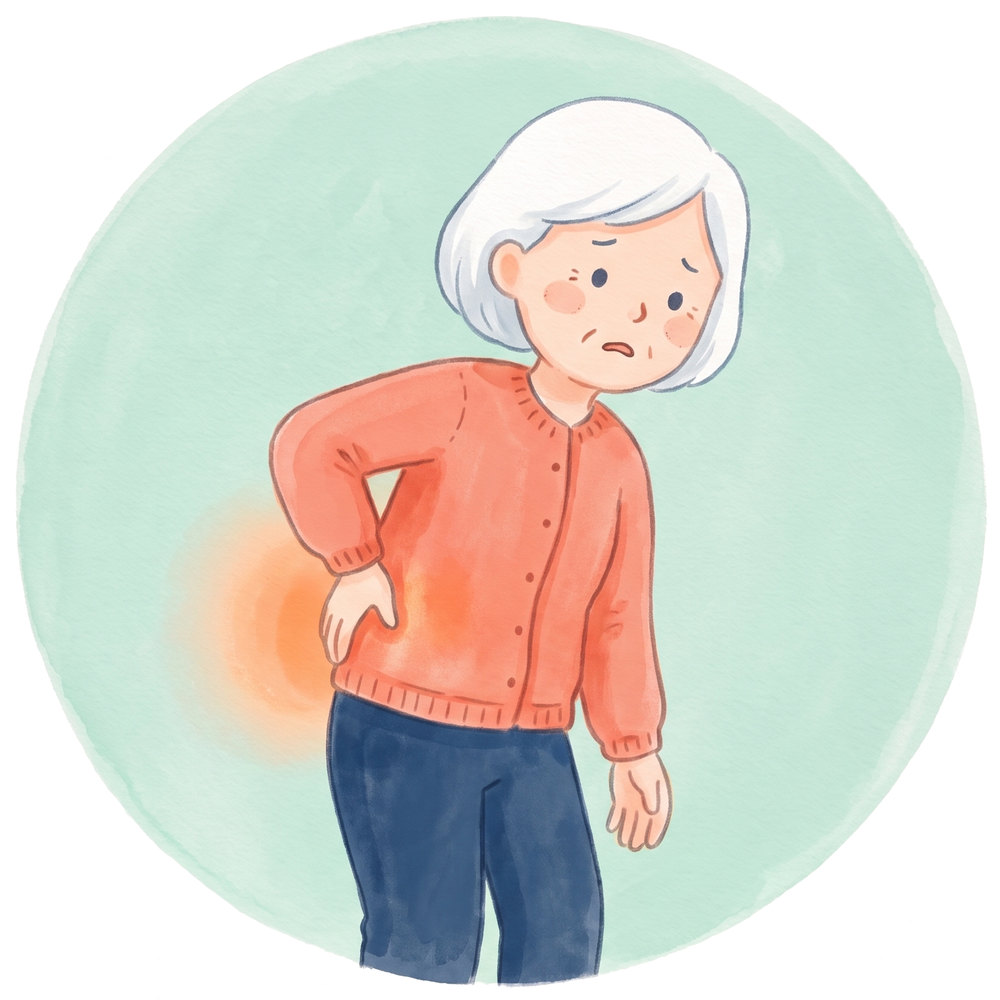
    Back pain, lumbar disc herniation, sciatica, piriformis syndrome, acute back strain, hip pain (hip osteoarthritis), spondylolisthesis, spinal canal stenosis, postnatal pelvic care

  • Neck, shoulders and back

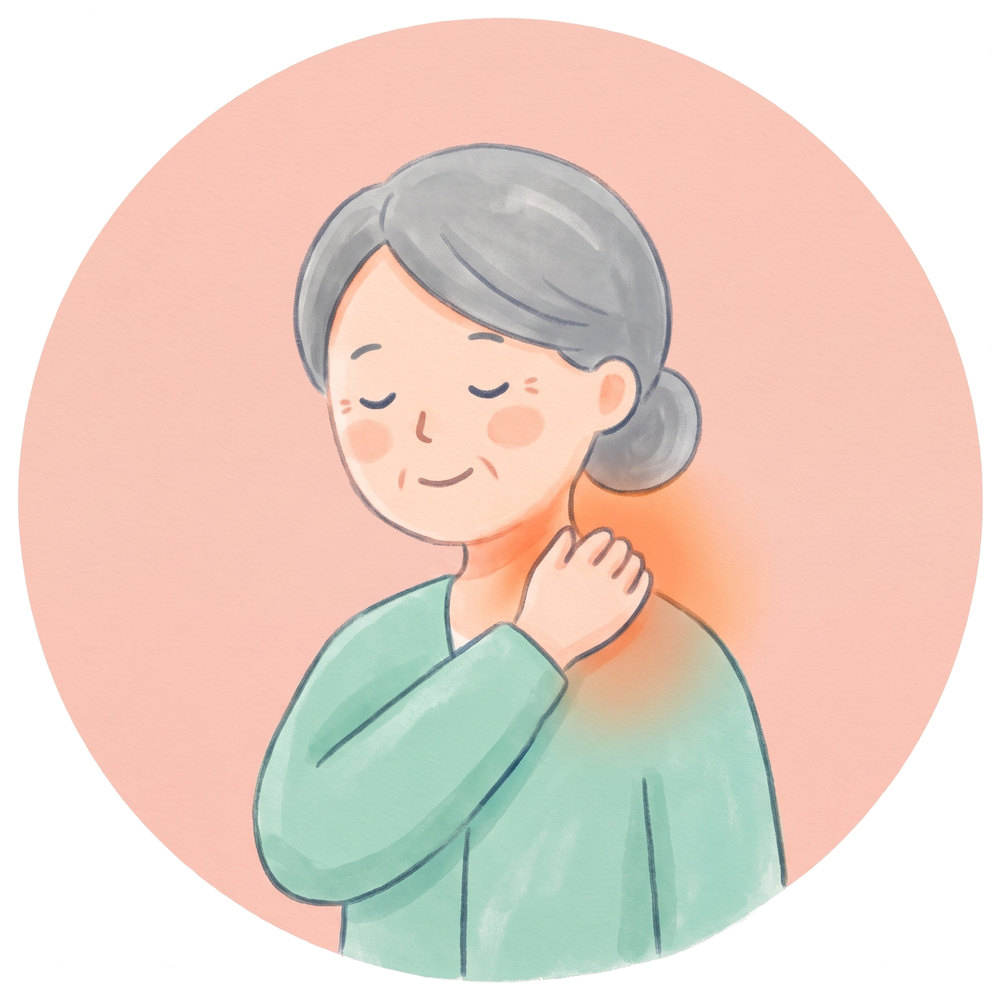
    Stiff neck after sleeping, neck tension, frozen shoulder, shoulder stiffness, straight neck, upper back pain, cervical disc herniation

  • Arms and hands

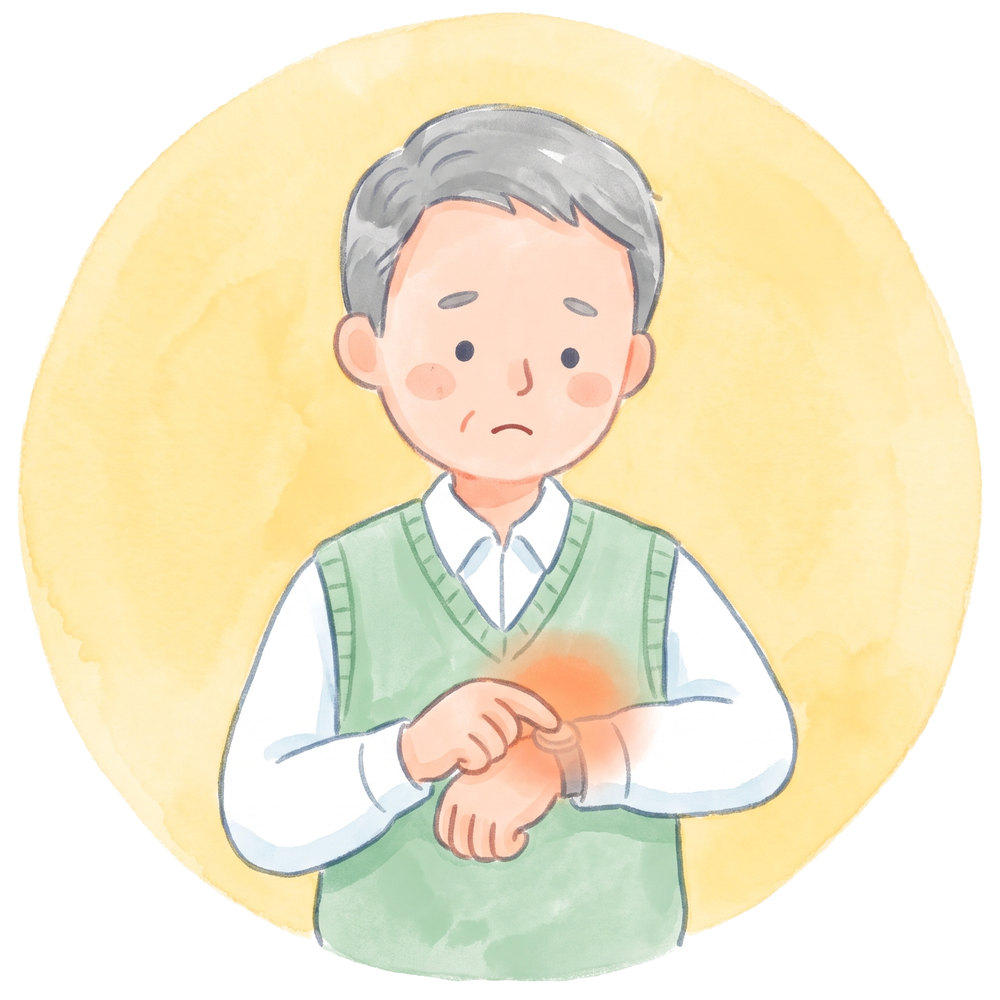
    Trigger finger, wrist pain, tenosynovitis (De Quervain’s), tennis elbow (lateral epicondylitis), cold hands

  • Head

    Cluster headaches, jaw joint disorders

  • Pelvic alignment

    Pelvic alignment, postnatal pelvic care

Insurance

Insurance and self-pay

About insurance, self-pay treatment and traffic accidents.

Health insurance

Health insurance covers only treatment for recent bruises, sprains and strains, and first aid for fractures and dislocations. For fractures and dislocations, treatment after first aid needs a doctor’s consent. Please ask us whether insurance applies to you.

Self-pay treatment is not limited by what insurance covers, so we can plan it around you. Before we begin, we explain what it involves and what it costs.

After a traffic accident

We treat whiplash and other injuries typical of traffic accidents, and can advise you on dealing with the insurance company and the paperwork. Compulsory and voluntary car insurance can cover treatment after a traffic accident, so in most cases there is nothing to pay at the clinic.

Find a clinic near you

Booking

Book withthe clinic nearest you.

Appointments are given priority. Please call or message the clinic on LINE. Staff speak Japanese; simple English is fine.